Most people stumble onto soursop tea because someone told them it was good for something. Then they search for how to actually make it – and find instructions that range from vague to contradictory.
Here’s a clear, straightforward guide. Fresh leaves, dried leaves, soursop fruit, and a few variations worth knowing about.
Key Takeaways
– Soursop leaf tea is made by simmering 3 to 5 dried leaves (or 5 to 7 fresh) in two cups of water for 10 to 15 minutes.
– Dried soursop leaves are easier to find and more consistent to brew than fresh.
– Longer steeping increases potency but also bitterness – 15 minutes is a good ceiling.
– One to two cups daily is the widely recommended amount for regular use.
What You Need
The ingredient list is short:
- Soursop leaves – fresh or dried (more on that below)
- Water – filtered is fine, nothing special required
- Optional additions – honey, lemon, ginger, or cinnamon all work well
That’s it. No special equipment beyond a pot and a strainer.
Fresh Leaves vs. Dried Leaves: Which Is Better?
Both work. The practical difference is availability.
Fresh soursop leaves have a higher moisture content, so you’ll need more of them – typically 5 to 7 medium-sized leaves per two cups of water. Fresh leaves produce a slightly greener, grassier-tasting tea. If you live somewhere tropical or have access to an Annona muricata tree, fresh leaves are a great option.
Dried soursop leaves are the more realistic choice for most people. They’re sold in health food stores, Caribbean grocery shops, and online. The drying process concentrates the active compounds, so you need fewer – 3 to 5 leaves per two cups. The flavour is earthier and slightly more bitter.
Neither is definitively “better” in terms of benefits. Go with whatever you can actually get.
How to Make Soursop Tea Step by Step
Using Dried Leaves
- Bring 2 cups (about 500ml) of water to a boil.
- Add 3 to 5 dried soursop leaves.
- Reduce heat and simmer for 10 to 15 minutes.
- Remove from heat and let it sit for 2 to 3 minutes.
- Strain into a cup and discard the leaves.
- Add honey, lemon, or ginger if you like.
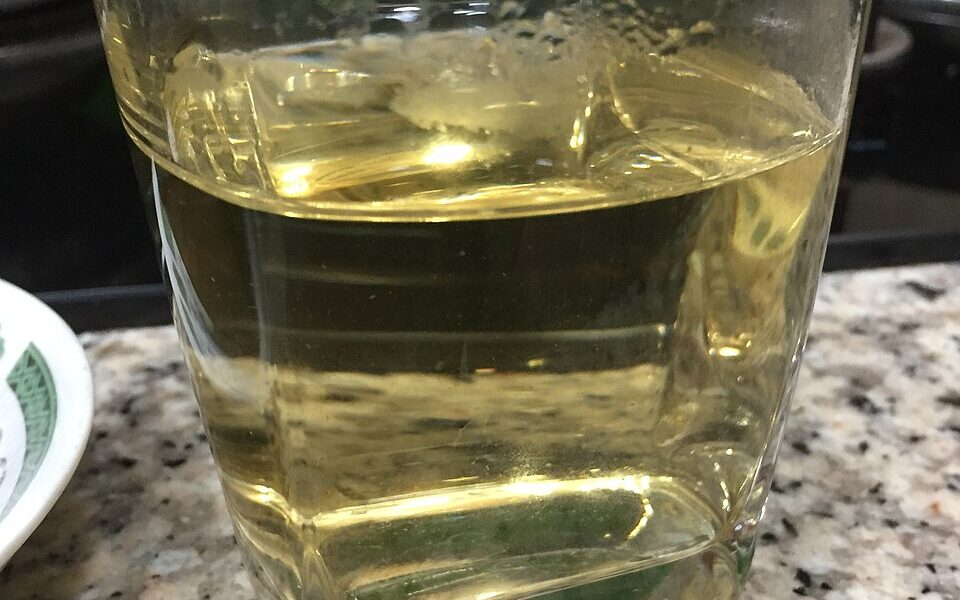
That’s the whole process. The tea will be pale green to light brown depending on how long you simmered it.
Using Fresh Leaves
- Rinse 5 to 7 fresh soursop leaves under cool water to remove any dust or residue.
- Roughly tear or cut the leaves to help release their compounds.
- Add them to 2 cups of water and bring to a boil.
- Simmer for 10 to 15 minutes.
- Strain and drink warm.
Fresh leaves produce a lighter brew – you may need to simmer closer to 15 minutes to get a decent strength.
Can You Make Tea From Soursop Fruit?
Yes, but it’s a different thing. Soursop fruit tea is typically made by simmering the peel and seeds (not the flesh) in water. The flesh is eaten raw or blended into drinks – it’s sweet and delicious on its own.
Most of the documented health research, including the PMC review of soursop’s pharmacological activities, focuses on the leaf extract, which is what you get with standard soursop leaf tea. The fruit is nutritious but different in its compound profile.
If you’re making soursop tea for its health properties, use the leaves.
How Strong Should It Be?
Steeping time controls strength and bitterness. At 10 minutes you get a mild, drinkable brew. At 15 minutes it’s stronger and noticeably more bitter. Going past 20 minutes doesn’t add much benefit and makes the tea quite harsh.
If you’re new to soursop tea, start at 10 minutes. You can always go longer once you know how you respond to it.
How Many Cups a Day?
One to two cups is the standard recommendation across both traditional use and current guidance. A 2019 clinical trial (PubMed) that studied soursop supplementation for blood pressure used doses over 12 weeks without reported issues – but the researchers weren’t recommending unrestricted daily use indefinitely.
The compound annonacin, found in soursop leaves, is one reason to stay moderate rather than excessive. One to two cups daily is widely considered a safe range for most healthy adults. If you’re pregnant, on medication, or have kidney concerns, check with a doctor before adding it regularly.
Flavour and How to Make It More Enjoyable
Soursop tea is mild and slightly earthy – not the most exciting taste on its own. A few things that improve it:
- Ginger – a small slice added while simmering adds warmth and complexity
- Honey – takes the edge off the bitterness, works particularly well with dried leaf tea
- Lemon – brightens the whole thing and adds a little vitamin C
- Cinnamon – adds sweetness and pairs well with the earthy base
These additions don’t meaningfully change the tea’s properties, they just make it nicer to drink daily.
Storing Soursop Leaves
Dried leaves keep for 12 to 18 months if stored in an airtight container away from light and moisture. A glass jar in a cupboard works well. Once the leaves start smelling faint or dusty, they’ve lost most of their potency – time for a fresh batch.
Fresh leaves should be used within a few days of picking. You can dry them yourself by laying them in a single layer in a warm, well-ventilated spot for 3 to 5 days.
Soursop tea is one of the simpler herbal teas to make. Once you’ve done it a couple of times, it takes about 15 minutes start to finish. The hardest part is usually finding the leaves the first time.