The bag of dry kibble sitting in your kitchen cupboard? Your cat’s body has no idea what to do with most of it.
That’s not a dig at you. I fed my cat kibble for years. It was convenient, vet-approved, and seemed fine. Except she was always a little thirsty, a little sluggish, and prone to the kind of low-grade health wobbles that nobody could quite pin down. It wasn’t until I actually read about how a cat’s body works – really works, at a biological level – that I understood why.
Cats are obligate carnivores. You’ve probably heard that phrase. But most of us haven’t thought about what it actually means for how we feed them.
What “Obligate Carnivore” Actually Means
It means your cat is not a dog. It’s not a wolf. It’s not an omnivore who happens to prefer meat. It’s an animal whose entire metabolic system evolved to run on prey – small mammals, birds, insects – and nothing else.
Dogs can convert plant-based beta-carotene into vitamin A. Cats cannot. Dogs can synthesise certain fatty acids from plant precursors. Cats cannot. Dogs have a degree of metabolic flexibility when it comes to carbohydrates. Cats, honestly, don’t. Their livers are permanently set to process protein for energy rather than switching between fuel sources the way ours do.
Cornell University’s College of Veterinary Medicine describes it plainly: cats have a higher protein requirement than most other mammals, and lack key enzymes that would allow them to adapt to low-protein diets.
This isn’t a philosophical stance on “natural” feeding. It’s anatomy.
The Kibble Problem Nobody Talks About
Dry kibble is about 8-10% moisture. Prey – a mouse, say – is about 70% moisture. That gap is not trivial.
Cats evolved in arid environments and have a notoriously low thirst drive. Unlike dogs, who compensate when food is dry by drinking more water, cats largely don’t. They were never designed to. They were designed to get their water from their food. Put a cat on a dry diet and you’re asking their kidneys and urinary tract to operate chronically under-hydrated, every single day.
A PMC-indexed study in Journal of Feline Medicine and Surgery linked dry food diets to increased risk of urinary tract disease, chronic renal failure, and obesity. These are the three most common reasons cats visit the vet in middle age. That can’t be a coincidence.
Then there’s the carbohydrate problem. Dry kibble needs starch to hold its shape through the extrusion process. That means a typical dry cat food contains around 35-50% carbohydrates – which is roughly ten times what a cat would encounter eating whole prey. Cats have no salivary amylase (the enzyme that starts breaking down starch in the mouth). They manage carbohydrates poorly. And chronically high carbohydrate intake is now well-established as a driver of feline obesity and diabetes.
I’m not saying this to make anyone feel guilty. I’m saying it because it took me a long time to find this information in plain language, and I wish I’d found it sooner.
So What Should You Actually Feed Them?
The short answer: meat, moisture, and variety.
The longer answer is that there’s a spectrum, and where you land on it matters less than the direction you’re moving.
Wet food over dry, always. If you change nothing else, change this. A quality canned or pouch food – one where named meat is the first ingredient, not “meat derivatives” or cereals – puts your cat in a far better position than any dry food, even a premium one. The moisture alone makes a meaningful difference.
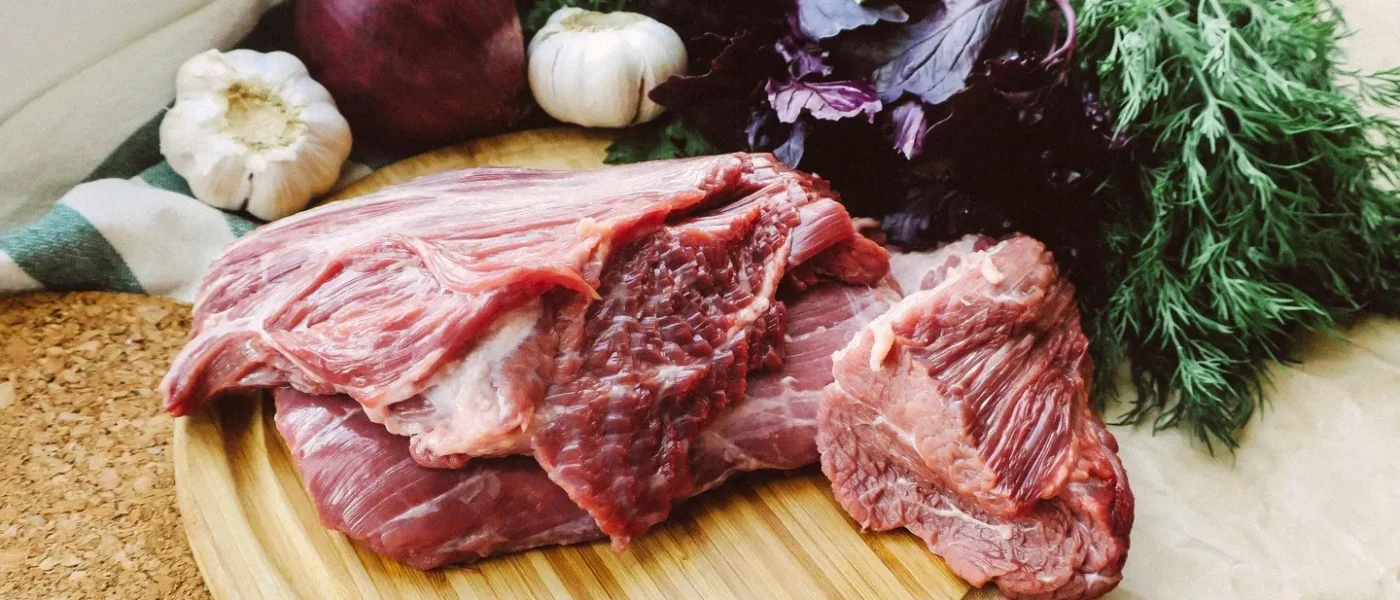
Raw, if you’re willing to research it properly. A whole-food raw diet built on the prey model – roughly 80% muscle meat, 10% bone, 10% organ (with liver making up at least half of that) – is as close as most of us can get to what a cat’s body genuinely expects. The benefits people report – cleaner teeth, better coat condition, firmer stools, more energy – align with what you’d expect from a diet the body can actually use efficiently.
Taurine is non-negotiable. It’s an amino acid found almost exclusively in animal tissue – the heart being particularly rich in it – and cats cannot synthesise it themselves. Taurine deficiency causes dilated cardiomyopathy and blindness. Any raw diet built primarily on muscle meat without heart or supplementation is taurine-poor. This is where home-prepared raw diets go wrong most often, and it’s worth taking seriously.
What About the “Dangerous Bacteria” Argument?
The most common pushback on raw feeding is food safety – Salmonella, E. coli, Listeria. It’s a reasonable thing to raise.
Cats have a shorter, more acidic digestive tract than humans. Their stomach pH sits at around 1-2, which handles bacterial loads that would hospitalise us. Cats in the wild eat whole prey, often carrying them around for a while before eating. Their systems evolved for this.
That said: food safety practices matter when you’re handling raw meat, for your sake as much as the cat’s. Wash your hands. Keep surfaces clean. Source from reputable suppliers. Freeze meat before use to kill parasites. None of this is complicated – it’s just the same care you’d apply to preparing your own food.
The bacteria risk to a healthy cat on a raw diet is low. The chronic disease risk of a lifetime on poor-quality dry food is, the evidence suggests, considerably higher.
How to Start Without Overhauling Everything at Once
Cats are notoriously suspicious of food changes. Some will adapt quickly. Others will look at a bowl of fresh chicken as though you’ve personally insulted them.
The transition process matters. Moving too fast causes digestive upset – loose stools, vomiting, a cat who decides the whole thing was a terrible idea and refuses to eat at all.
What works:
- Start with wet food if you’re currently on kibble. Even this single step is significant. Let your cat adjust for a few weeks before pushing further.
- Add a small amount of raw on top. Not mixed in – on top, where they can sniff it and decide. Start with something flavourful like chicken heart or beef mince.
- Reduce variety in the early stages. One protein source at a time. Once they’re reliably eating raw chicken, introduce a second protein.
- Don’t starve them into compliance. A cat that goes without food for more than 24-48 hours is at risk of hepatic lipidosis – a dangerous liver condition. If they’re refusing, slow down.
Weeks, not days. Some cats take a month. Some take three. It’s worth the patience.
A Closing Thought
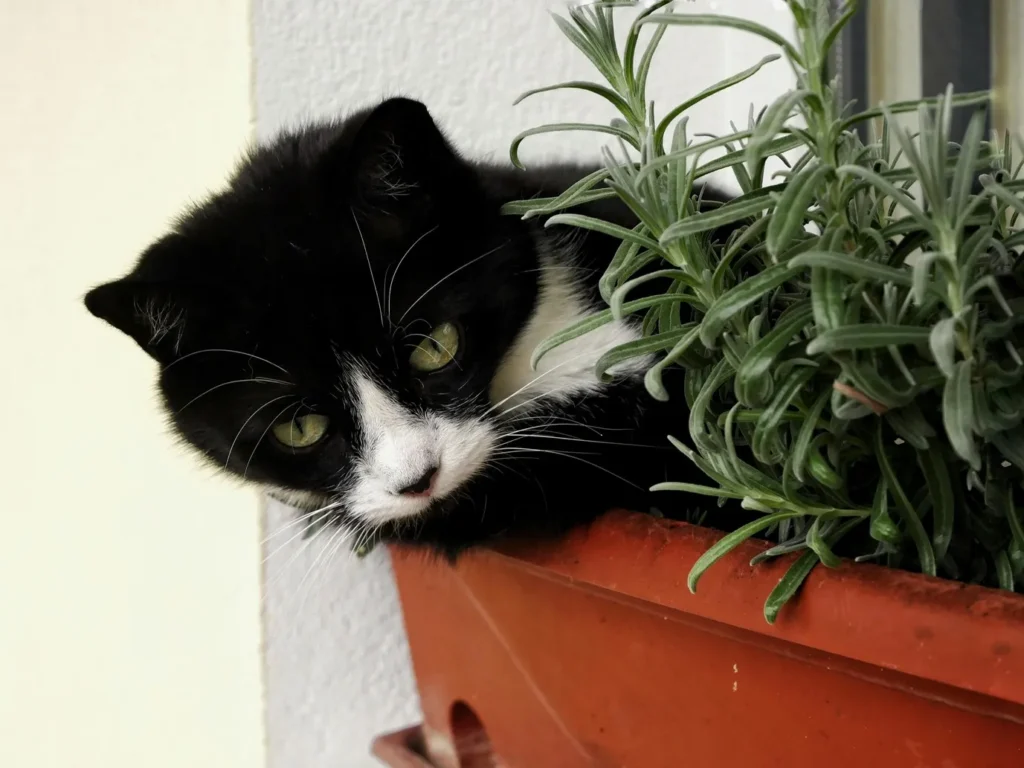
Fig – my rescue cat, the reason this blog exists – was on dry kibble when she arrived. She was unwell in ways that were hard to pin down. Switching her diet didn’t fix everything overnight, but it fixed more than I expected, and faster than I expected.
I don’t think diet is a magic answer. There are plenty of cats on raw food who still get sick, and plenty of cats on good-quality wet food who live long, healthy lives. What I think is that food is the foundation. You can add herbs, supplements, and careful vet care on top of that foundation, but if the foundation is wrong – chronically dry, carbohydrate-heavy, protein-poor – you’re working against your cat’s biology every single day.
That seems like a lot of effort when the fix is, more or less, to feed them something that looks like what a cat actually is.
