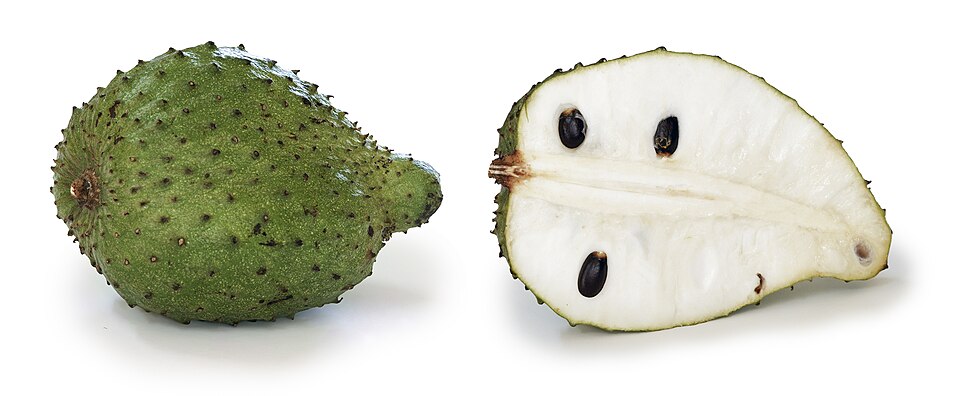
Soursop tea has been drunk in the Caribbean, West Africa, and Southeast Asia for centuries – and it wasn’t just for the taste. Healers across those regions used the leaves of the Annona muricata tree to treat everything from inflammation to fever to high blood pressure. Now the research is starting to catch up with the tradition.
That doesn’t mean soursop tea is a miracle. It means it’s genuinely worth knowing about.
Key Takeaways
– Soursop leaves contain acetogenins, alkaloids, and flavonoids with documented antioxidant and anti-inflammatory activity.
– A 12-week clinical trial found soursop supplementation significantly lowered both systolic and diastolic blood pressure.
– One to two cups daily is considered a reasonable amount; very high doses aren’t recommended long-term.
– Most cancer-related claims come from lab studies, not human trials – keep that context in mind.
What’s Actually in Soursop Leaves?
Before talking about benefits, it helps to know what you’re drinking. Soursop leaves are packed with bioactive compounds: acetogenins (including annomuricins and annonacin), alkaloids like coreximine and reticuline, and flavonoids such as quercetin. According to a 2022 review published in PMC via NCBI, these compounds are what researchers believe drive the plant’s biological activity – and there’s a lot of it.
The leaf extract has demonstrated antioxidant, anti-inflammatory, antibacterial, and antiviral properties in laboratory settings. That’s a broad profile. The question is always: how much of that translates to something you’d actually feel?
Does Soursop Tea Actually Lower Blood Pressure?
This is one area where human clinical trial data exists. A study published in PubMed (NCBI) followed a prehypertensive population over 12 weeks and found the group receiving soursop supplementation had significantly lower systolic and diastolic blood pressure compared to the control group by the end of the study.
That’s not a massive trial, but it’s real human data – which puts it ahead of most herbal remedy research. If blood pressure support is something you’re interested in, soursop tea has more to stand on than most.
The Antioxidant and Anti-Inflammatory Case
Chronic inflammation sits at the root of most modern disease – heart disease, diabetes, metabolic syndrome, you name it. Anything that genuinely reduces oxidative stress is worth paying attention to.
Soursop leaf extracts score well here. The aqueous extract (which is basically what you make when you brew tea) has demonstrated measurable antioxidant capacity in multiple studies. The flavonoid quercetin, present in soursop leaves, is one of the better-studied plant antioxidants and has been linked to reduced inflammatory markers in several contexts.
According to a 2023 comprehensive review on soursop’s properties in PMC, the plant’s anti-inflammatory potential is considered one of its most consistently documented attributes across both in vitro and animal studies.
What About the Cancer Claims?
Search “soursop benefits” and you’ll find bold claims about cancer. Some websites go very far with this.
The honest answer: the acetogenins in soursop have shown cytotoxic (cell-killing) activity against certain cancer cell lines in laboratory studies. That’s genuinely interesting science. But lab results don’t translate directly to human treatment – that gap is enormous. There are no completed human clinical trials establishing soursop as a cancer treatment.
WebMD’s overview of soursop makes this same point clearly: the cancer research is in its early stages and the excitement is premature. This doesn’t mean the research is irrelevant – it means you should read it accurately.
Does Soursop Tea Help With Weight Loss?
Not in any direct, documented way. There’s no clinical trial showing soursop tea causes meaningful fat loss. What it does have is anti-inflammatory effects and some evidence of blood sugar support in animal studies – both of which can play a supporting role in overall metabolic health.
If you’re drinking soursop tea as part of a broader healthy lifestyle, it’s a fine addition. If you’re drinking it expecting the weight to come off on its own, adjust your expectations.
How Often Should You Drink Soursop Tea?
Most traditional guidance and current research points to one to two cups per day as a sensible amount. That gives you the active compounds without overdoing it.
The reason you don’t want to go overboard long-term is annonacin – a compound in soursop that, in very high concentrations, has been associated with a rare form of atypical Parkinsonism in populations that consume large amounts of soursop over many years. One to two cups a day is nowhere near the consumption levels studied in that research, but it’s a reason to be moderate rather than excessive.
Drinking it daily for a few weeks, taking a break, then returning is a sensible approach if you want to be cautious.
Other Traditional Uses With Some Research Support
Soursop tea has traditionally been used for:
- Fever reduction – the leaf extract has shown antipyretic effects in animal studies
- Pain relief – anti-inflammatory properties support this use
- Antimicrobial activity – one PMC study found soursop leaf extract active against oral pathogens
- Digestive support – used across traditional medicine systems for stomach complaints, with some plausible mechanisms (anti-inflammatory, antimicrobial)
These aren’t proven human treatments, but they’re not folk mythology either. They’re areas with enough early evidence to be worth watching.
How to Make Soursop Leaf Tea
It’s simple. Take 3 to 5 dried soursop leaves (or 5 to 7 fresh ones), add them to about two cups of water, and bring to a boil. Simmer for 10 to 15 minutes, strain, and drink. Some people add a little honey or lemon.
Dried leaves are easy to find online and in Caribbean or Latin grocery stores. The tea has a mild, slightly earthy taste – not unpleasant, nothing like green tea.
The Bottom Line
Soursop tea isn’t a cure-all. But it is a plant with genuine bioactive compounds, documented antioxidant and anti-inflammatory properties, and actual clinical data on blood pressure – which is more than most herbs can claim. Drink it as a regular part of a health-conscious routine and it likely does something useful. Drink it expecting miracles and you’ll be disappointed.
The research is young. The tradition is old. Both deserve respect.